
Protecting Your Home at Every Level: Surge Protection and Grounding
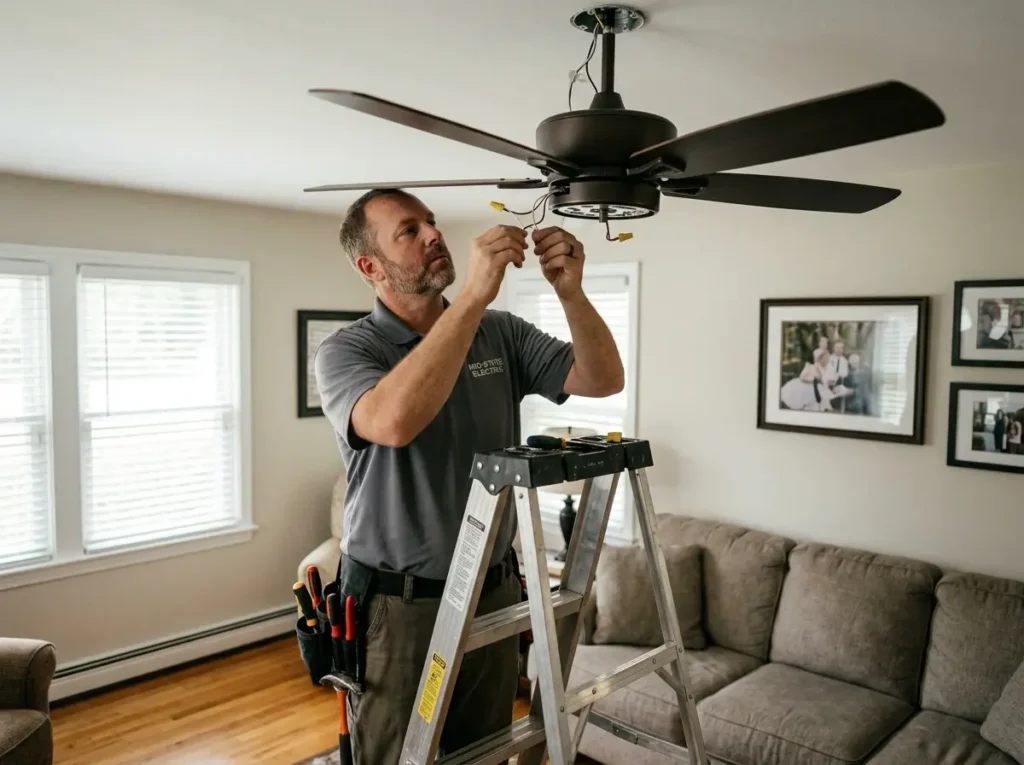
Two critical systems work together to keep your home electrically safe: grounding establishes the foundation, while surge protection defends against the unexpected. When either component fails, your family faces shock hazards and your electronics face destruction from voltage spikes. As electrical contractors serving Wilmington homeowners, we approach both systems with equal rigor—diagnosing deficiencies, installing code-compliant grounding solutions, and implementing layered surge protection strategies that defend against everything from lightning strikes to internal appliance surges. The result is a home electrical system that actively protects rather than simply delivers power.
Surge Protection Solutions We Deliver
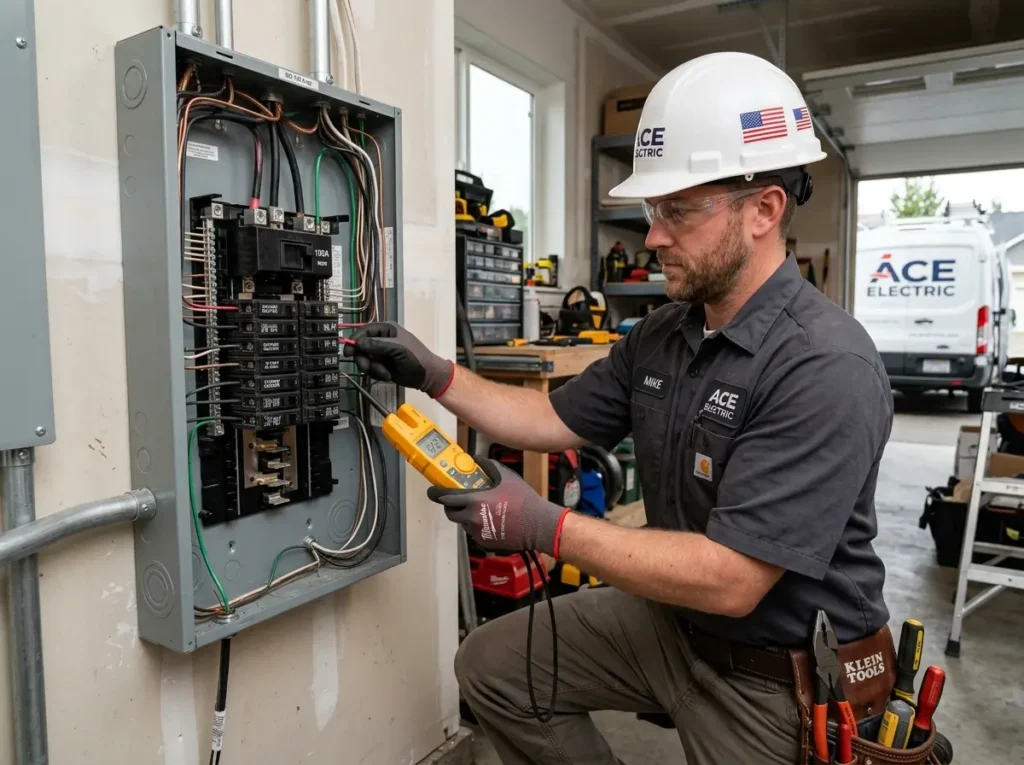
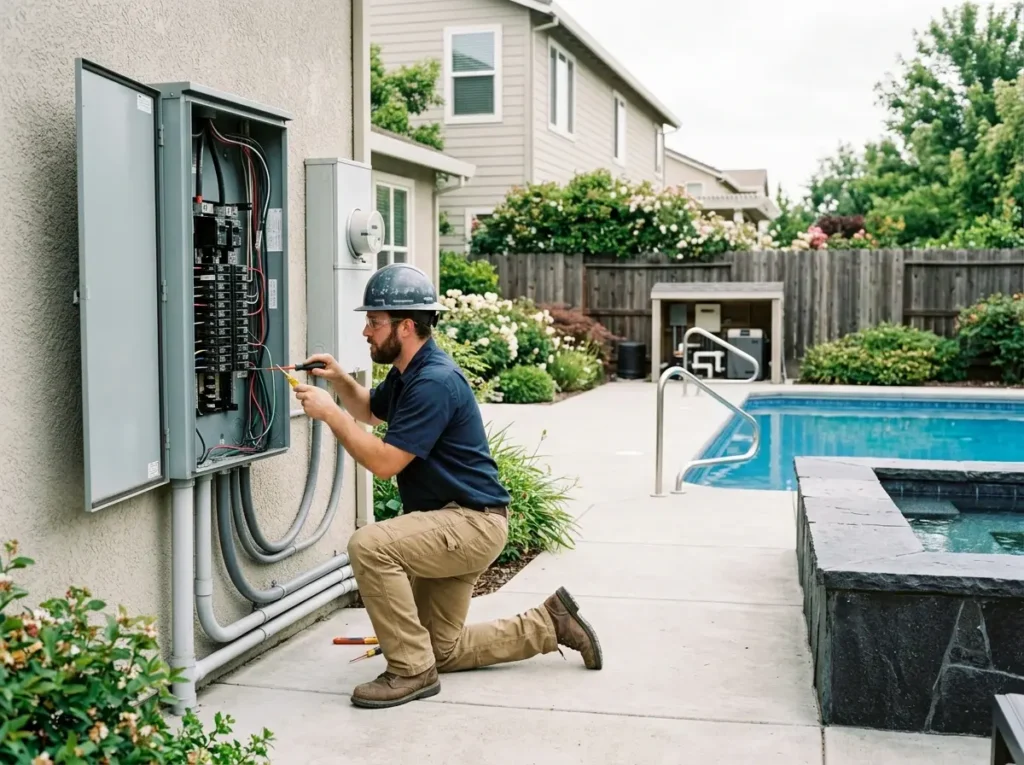
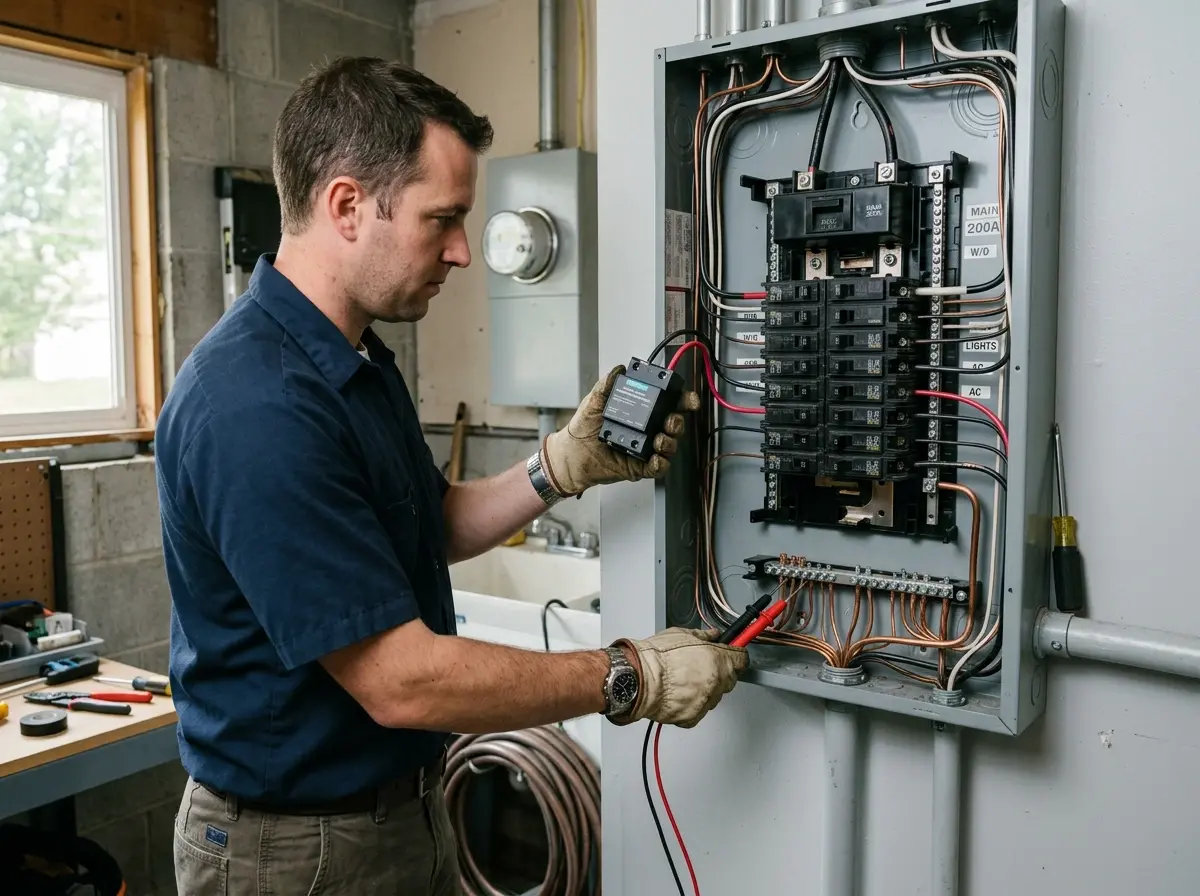
Effective surge protection requires multiple layers. We begin with Type 2 protection installed at the panel—whole house surge protector installation that captures surges before they enter your home's wiring. These devices mount directly in the panel, protecting everything connected to your electrical system, from HVAC equipment to hidden appliances. For homeowners with sensitive electronics, home offices, or smart home systems, we recommend comprehensive home surge protection system approaches that combine panel-level protection with point-of-use devices at critical locations. We explain the difference between suppression ratings, clamping voltages, and warranty coverage so you understand exactly what protection level you're purchasing.
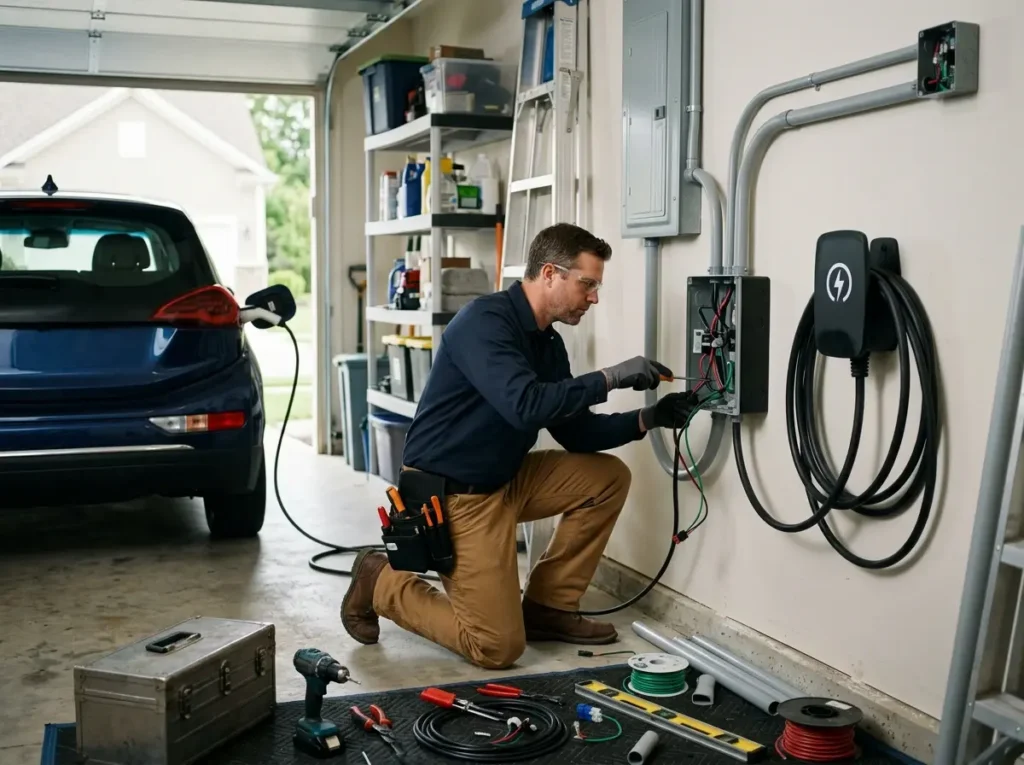
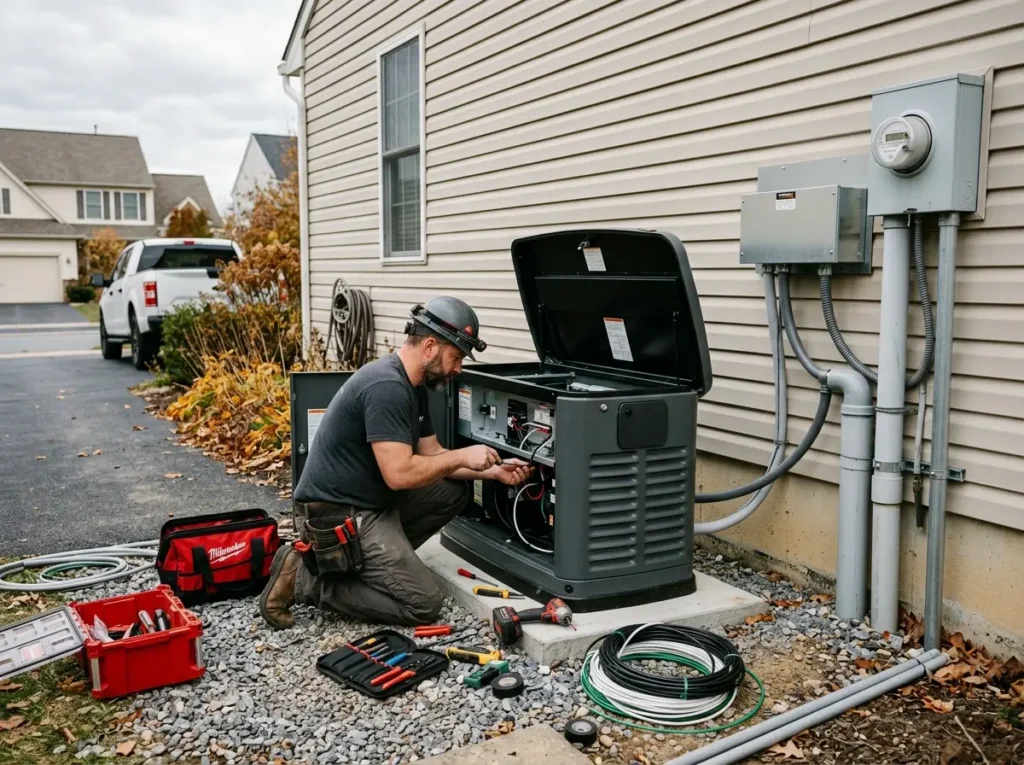
When clients already own portable generators or are adding backup power systems, we install surge protection specifically rated for generator applications—addressing the unique voltage irregularities that portable power sources can introduce. We also provide protection for specific high-value equipment: dedicated surge devices for well pumps, HVAC condensers, and home entertainment distributions that require tailored solutions.
Grounding Services We Provide
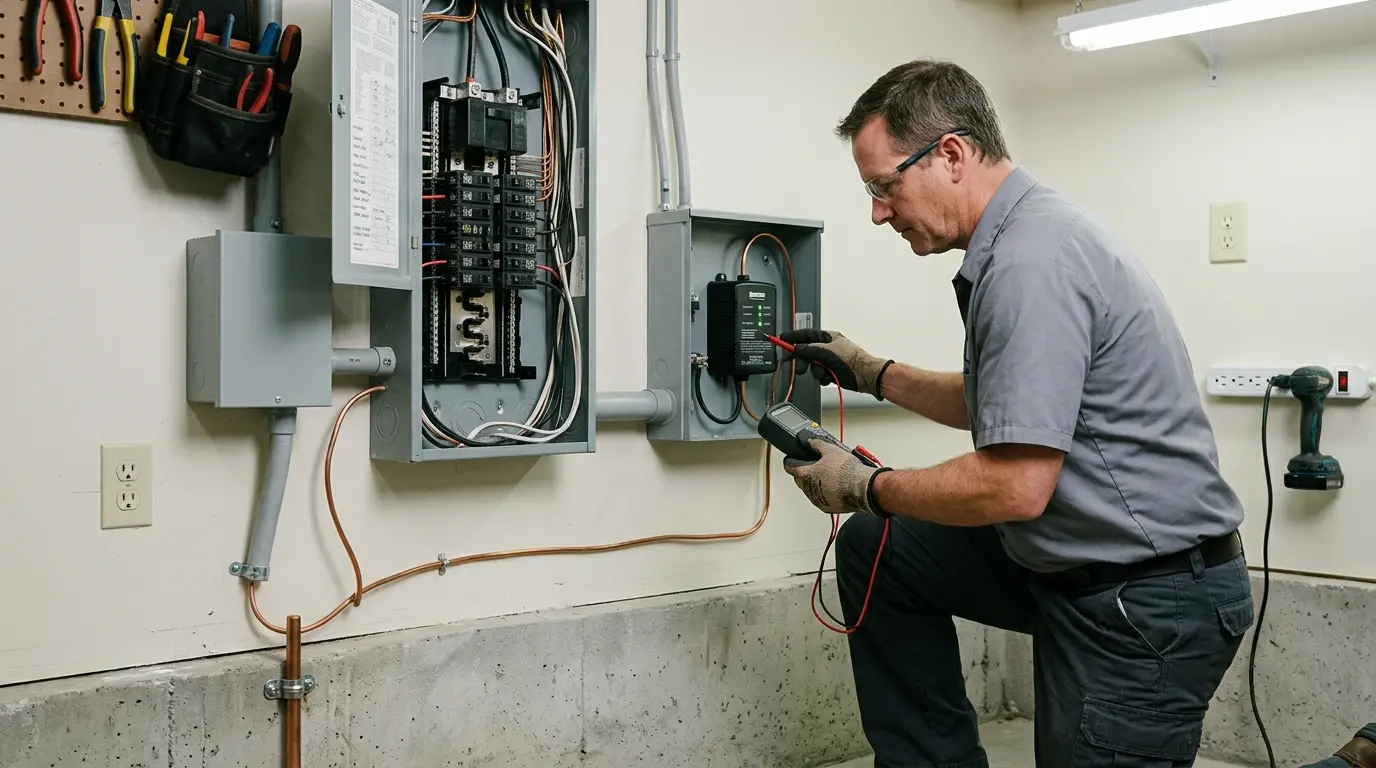
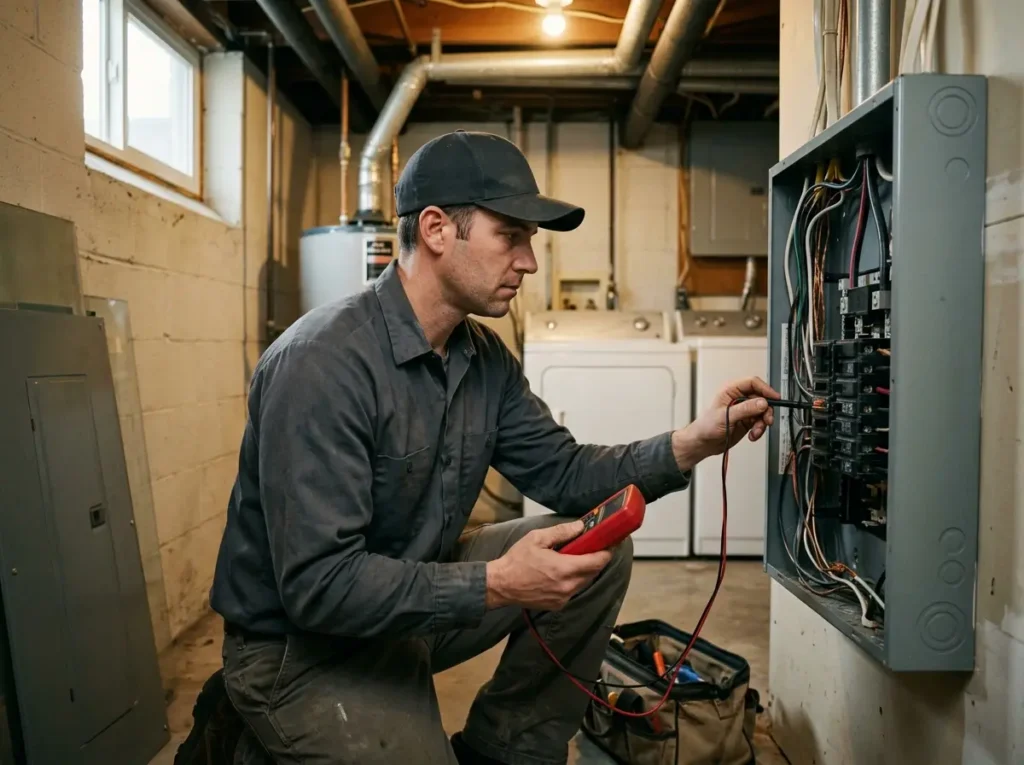
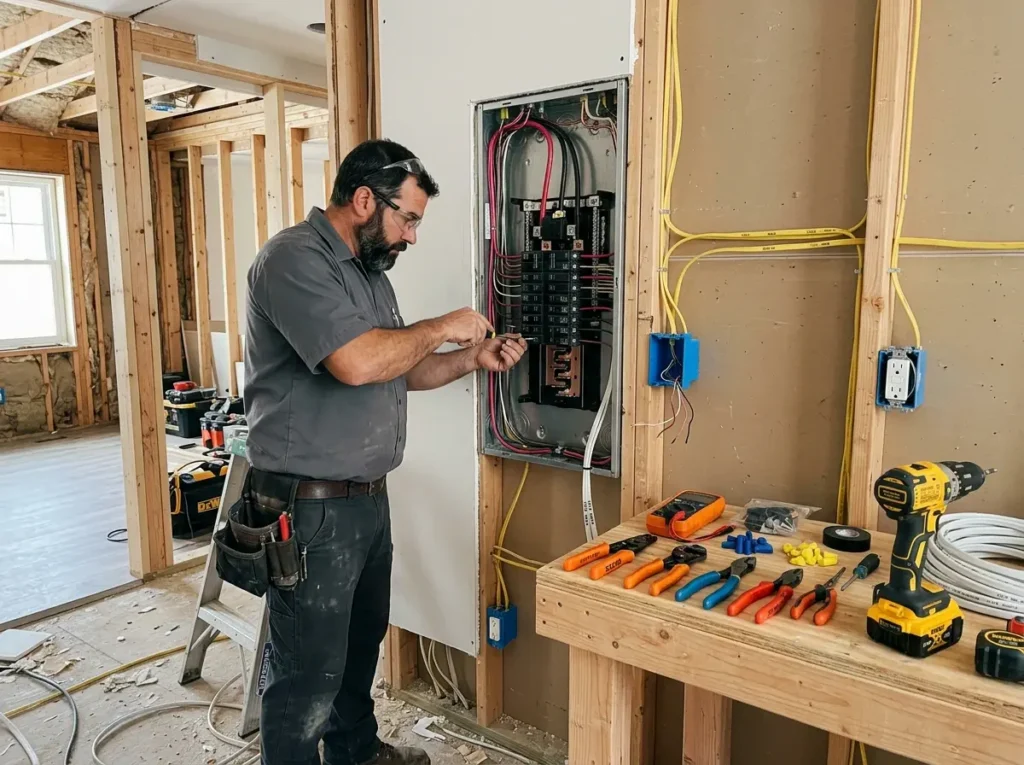
Proper grounding serves as your home's safety net, providing a path for fault currents to return to the panel and trip breakers rather than energizing appliance frames or metal surfaces. For homes with compromised grounding, we perform comprehensive electrical grounding repair that begins with testing existing ground paths, inspecting ground rod connections, and verifying bonding between electrical systems and metal plumbing, gas lines, and structural steel where required.
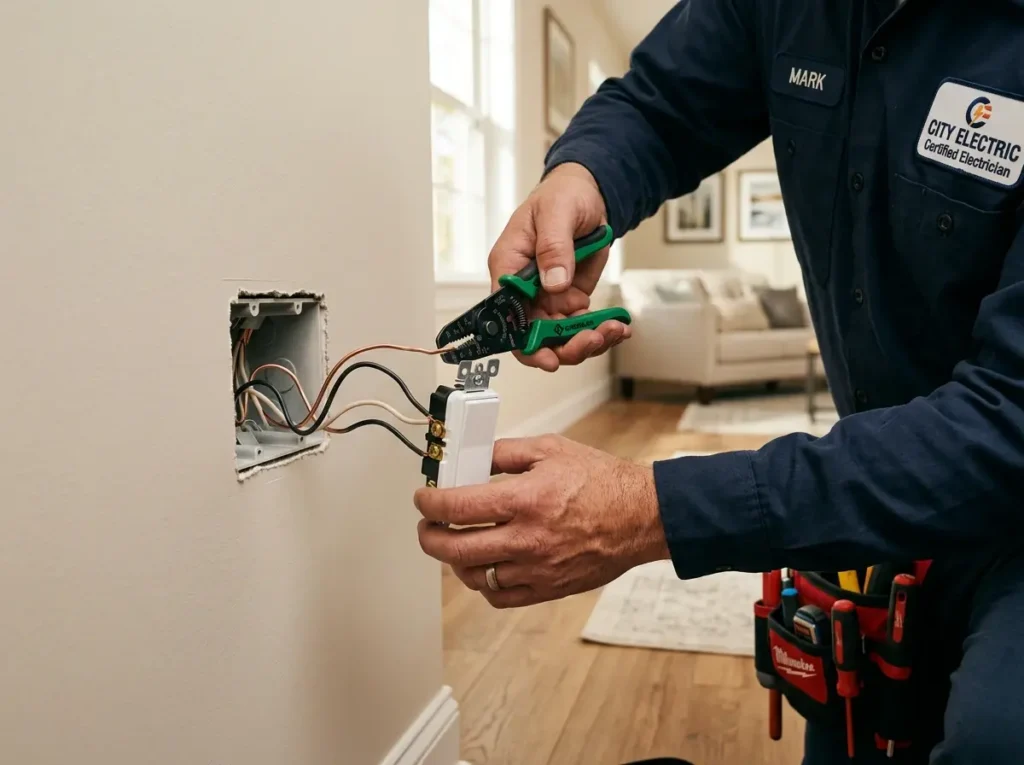
A common challenge in Wilmington involves older homes where original grounding is incomplete or degraded. We address ungrounded outlet fix needs through multiple approaches depending on the situation: installing equipment grounding conductors where walls are open, adding GFCI protection with proper labeling where rewiring isn't immediately feasible, or in some cases, recommending whole-home grounding system replacement when corrosion or damage has compromised the original installation.
We also correct improper bonding conditions—situations where neutral and ground wires connect at subpanels or where grounding electrode systems no longer meet code requirements. These corrections are often identified during home inspections before property sales, and we work efficiently to resolve them so transactions can proceed without delay.
Common Issues We Diagnose and Resolve
Many homeowners contact us after experiencing specific symptoms of grounding or surge protection failures. Recurring electronics failures—computers, televisions, appliances that fail prematurely—often indicate inadequate surge protection or underlying voltage irregularities. Tingling sensations when touching appliances or metal fixtures confirm missing or compromised grounding paths that require immediate correction. Tripping GFCI outlets that won't reset frequently point to ground faults in connected equipment or wiring, but sometimes indicate deeper grounding system issues.
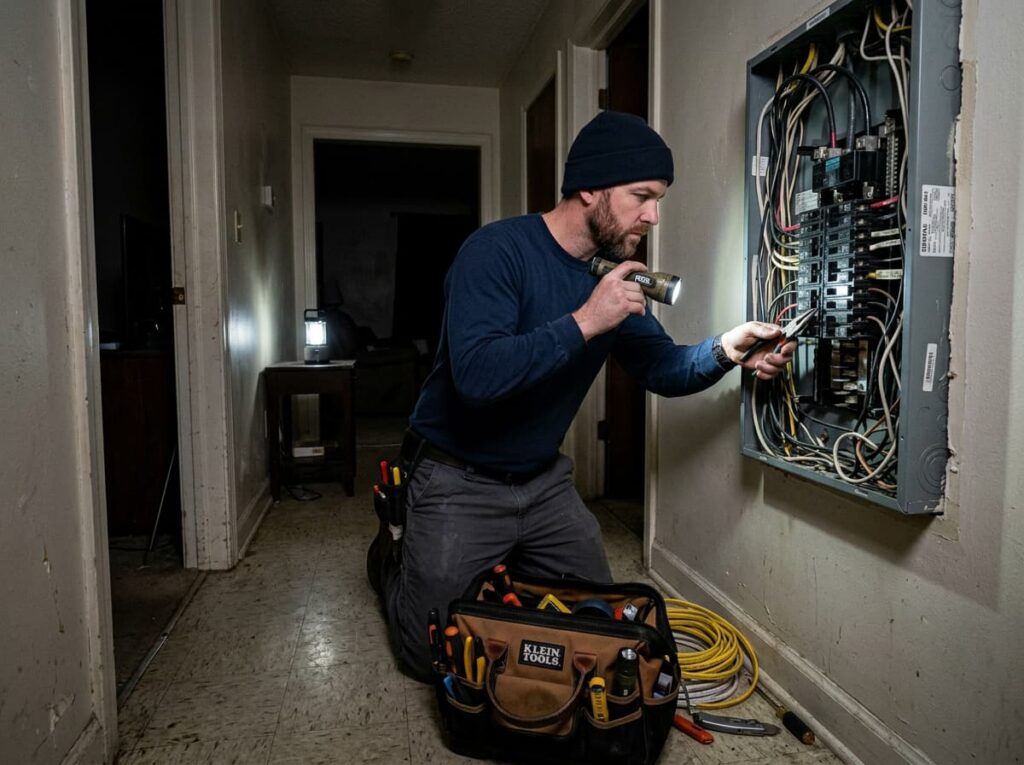
We also address visible damage from surge events: melted panel components, scorched outlets, or evidence of arcing that confirms a surge bypassed existing protection. For homes that have experienced lightning strikes or major grid events, we perform complete system testing to identify hidden damage that may cause failures months later. We test surge protection devices to confirm they remain functional—many whole-house suppressors sacrifice themselves during large surges, requiring replacement to maintain protection.
Service Timelines and What to Expect
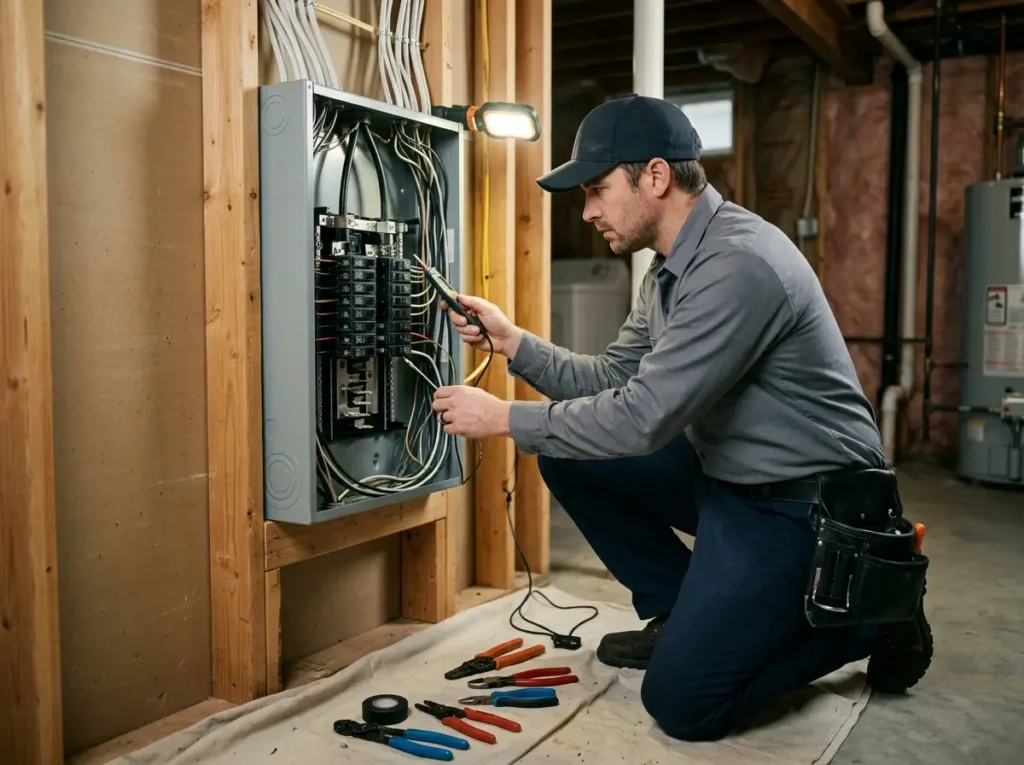
Surge protection and grounding projects typically complete within predictable timeframes. A standard whole house surge protector installation at an existing panel requires 60 to 90 minutes, including device mounting, breaker connection, verification of proper installation, and testing to confirm functionality. When homeowners request panel surge protector cost information, we provide clear breakdowns showing device specifications, labor requirements, and any panel modifications needed to accommodate the suppressor.
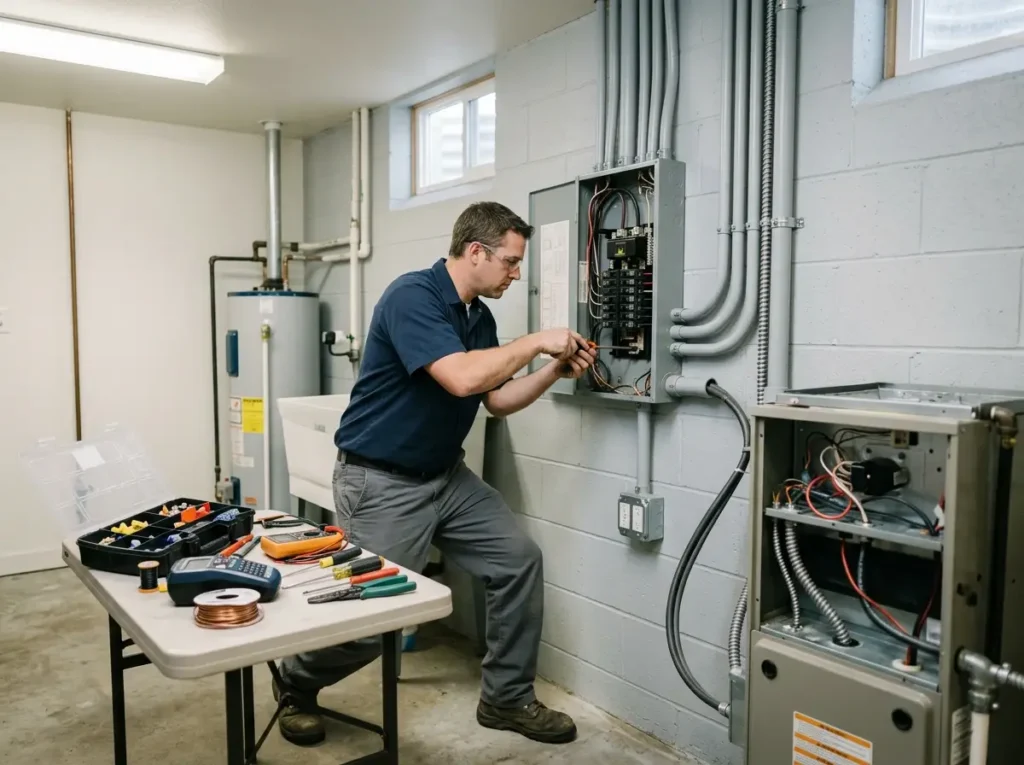
Electrical grounding repair timelines vary based on the scope of deficiencies. Adding a missing ground rod and connecting it to an existing panel typically takes 2 to 3 hours, including trenching if required. Correcting improper neutral-ground bonding at subpanels usually requires 1 to 2 hours per panel. Comprehensive grounding system replacement for older homes where corrosion has compromised original installations typically takes 4 to 6 hours.
Addressing ungrounded outlet fix needs depends on the selected solution. Installing GFCI protection with proper labeling for multiple outlets on a single circuit generally takes 2 to 3 hours for a full room or area. Adding equipment grounding conductors for specific outlet locations requires more time—typically 3 to 5 hours per circuit when fishing wires through finished walls. Whole-home grounding system updates that address ungrounded outlets across multiple rooms often become part of larger rewiring projects rather than standalone services.

Why Layered Protection Matters
Many homeowners mistakenly believe power strips provide adequate surge protection. In reality, the protection inside most power strips handles only small surges and wears out with each event. True whole-home protection requires multiple layers: Type 1 or Type 2 devices at the panel that stop external surges from entering, Type 3 devices at sensitive equipment that handle internally generated surges, and proper grounding that gives all protection devices a functional path to operate. When any layer fails, the entire protection system becomes compromised.
Our approach begins with evaluating your existing grounding—without proper grounding, surge protectors cannot function effectively. We then recommend protection levels matched to your equipment value and risk exposure. Homes with extensive electronics, home offices, or valuable appliances receive higher protection ratings. We also coordinate with internet and cable providers to ensure coaxial and data lines receive surge protection—a commonly overlooked entry point for damaging surges.
For homeowners in Wilmington seeking home surge protection system installation, we provide solutions that address every potential entry path. We explain how combination systems—panel protection plus point-of-use protection—offer the most comprehensive defense. When you choose us for whole house surge protector installation or grounding services, you receive systems designed for your specific home, installed by professionals who understand that protection matters long before the storm arrives. Your family's safety and your equipment's longevity deserve nothing less.