Reliable Home Charging Starts With the Right Electrical Foundation
Electric vehicles are transforming how homeowners in Raleigh think about transportation, but the experience begins at home with proper EV charger installation. We are an electrical service company that focuses exclusively on residential EV charging because we understand that a reliable home charger eliminates range anxiety and makes EV ownership genuinely convenient. When we install an electric car charger installation, we are not just adding an outlet—we are evaluating your home's electrical capacity, planning for future needs, and creating a charging solution that integrates with your daily routine.
The difference between a frustrating EV ownership experience and a seamless one often comes down to installation quality. We have worked with homeowners across Raleigh who initially relied on standard 120-volt outlets only to find their vehicles charged too slowly to meet their needs. Others discovered their electrical panels lacked capacity for Level 2 EV charger installation after purchasing equipment. We help homeowners avoid these pitfalls by assessing their current system, understanding their driving patterns, and recommending solutions that balance performance with practical installation requirements.
How We Approach EV Charger Installations
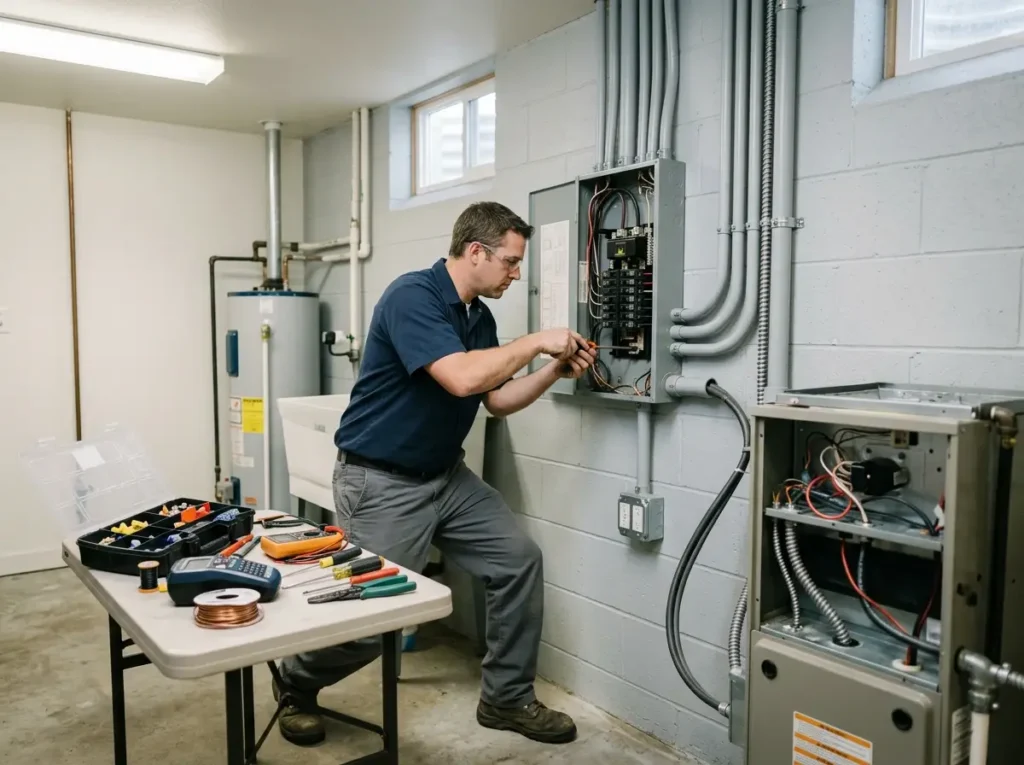
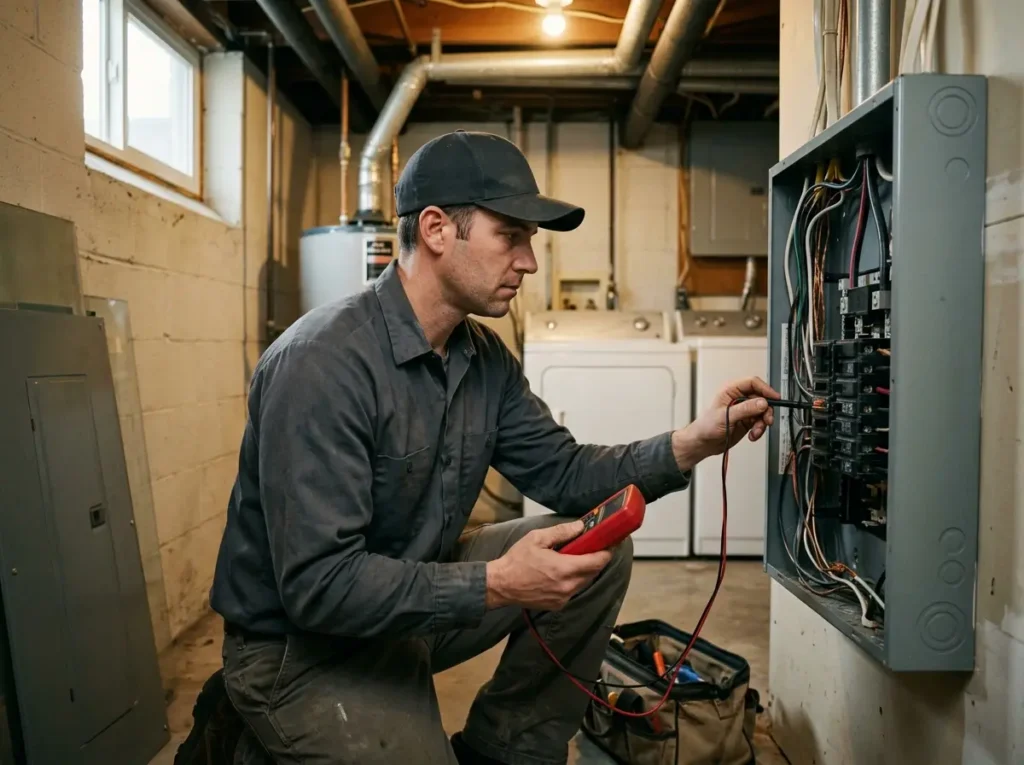
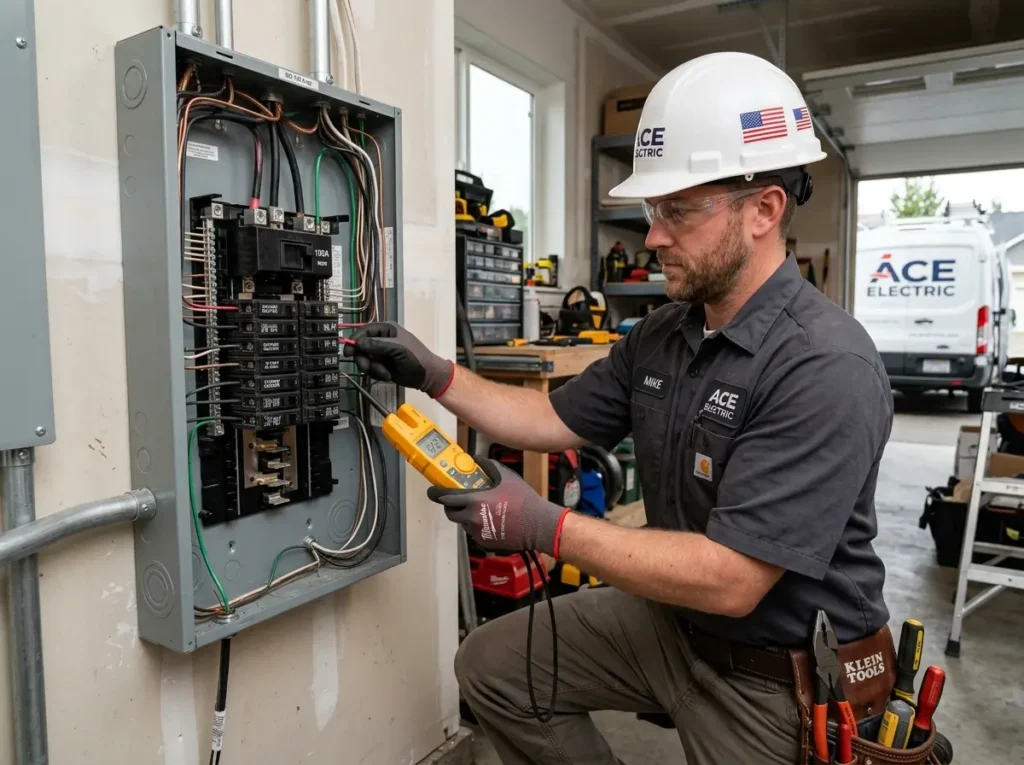
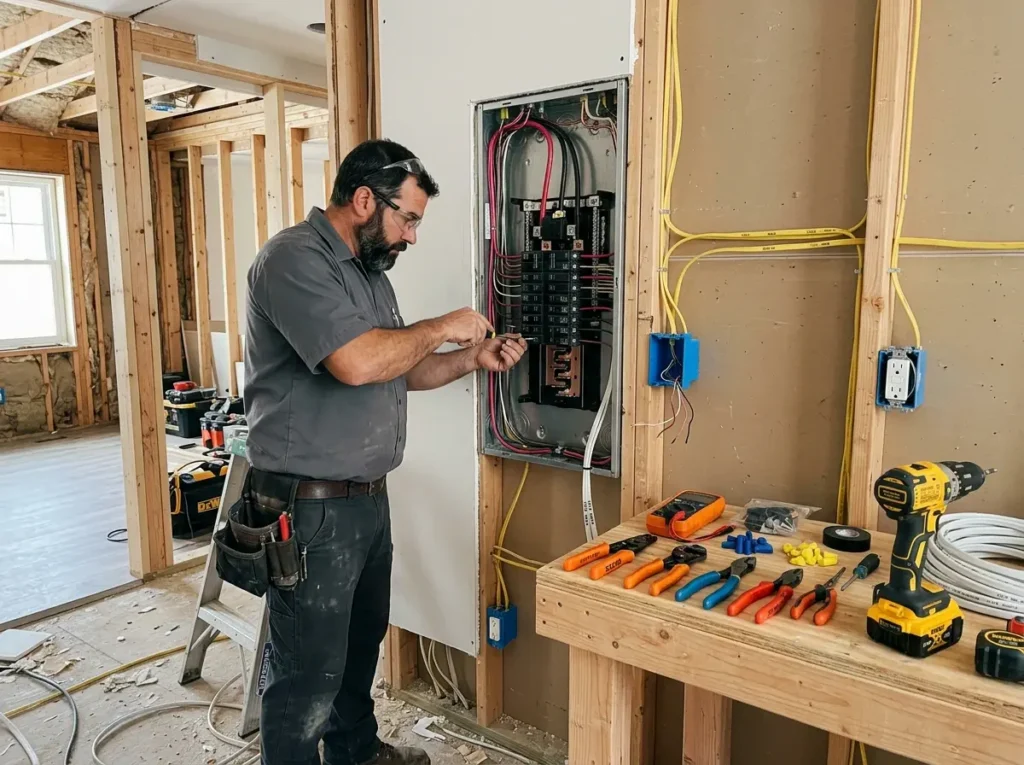
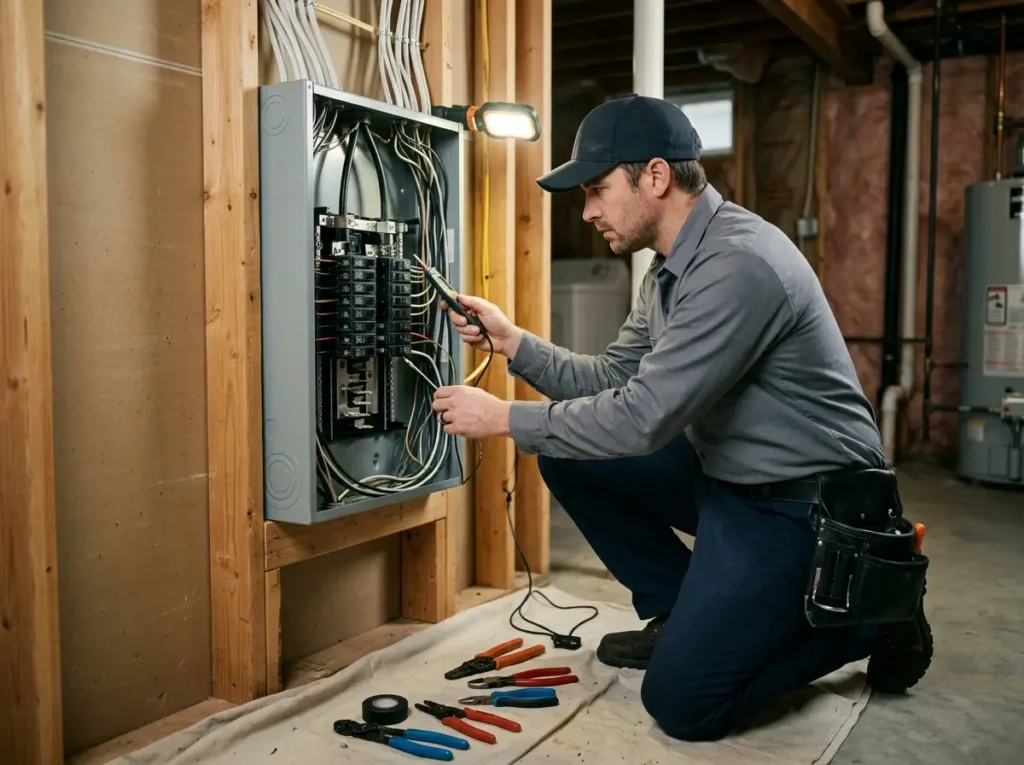
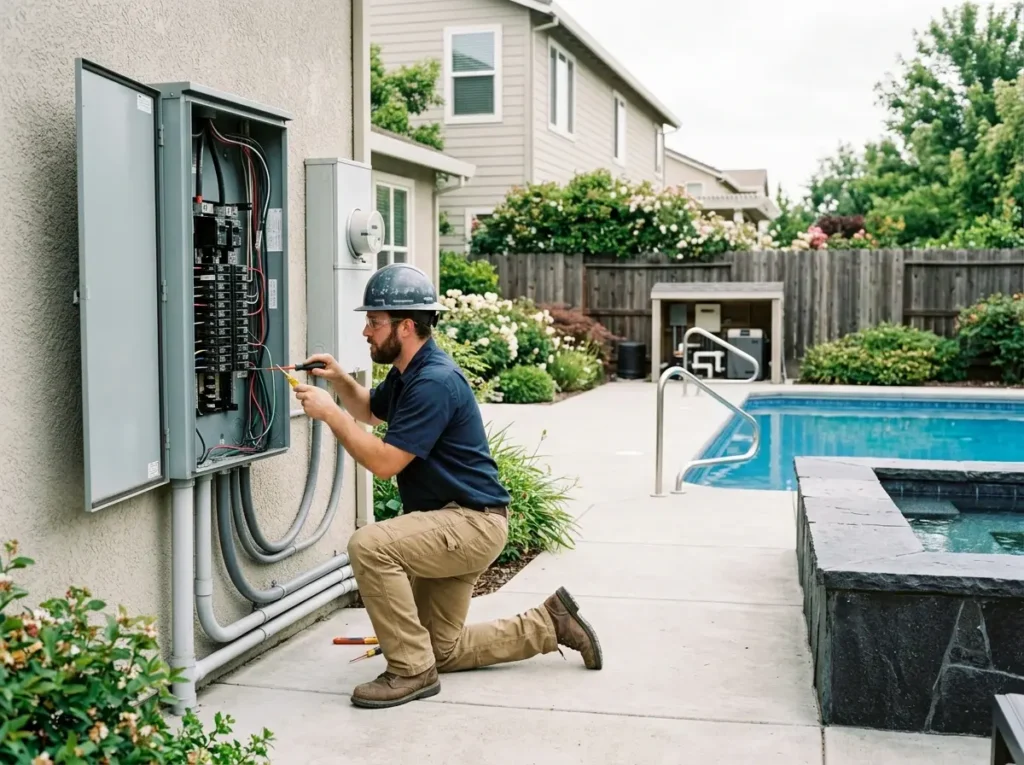
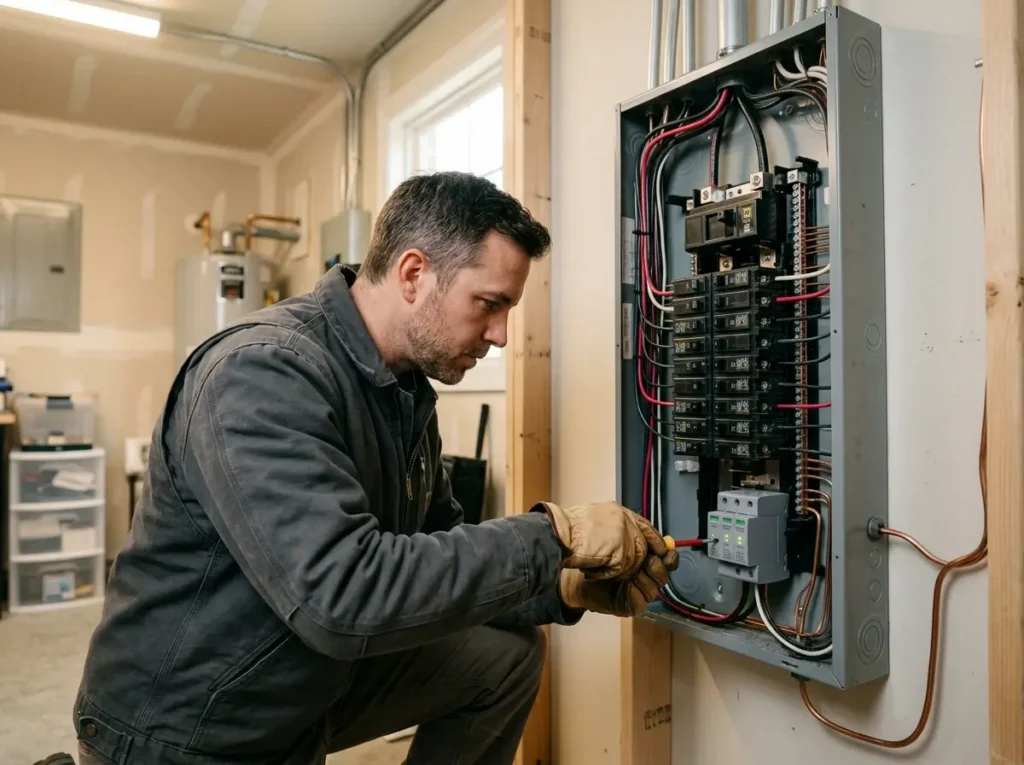
Every EV charger installation begins with a thorough assessment of your home's electrical system. We inspect your main service panel to determine available capacity, evaluate your current electrical load based on existing appliances and equipment, and identify whether your panel can accommodate a new 240-volt circuit. When capacity is limited, we discuss options including load management devices that share capacity with other high-demand appliances or panel upgrades that expand your home's electrical capability for the long term.
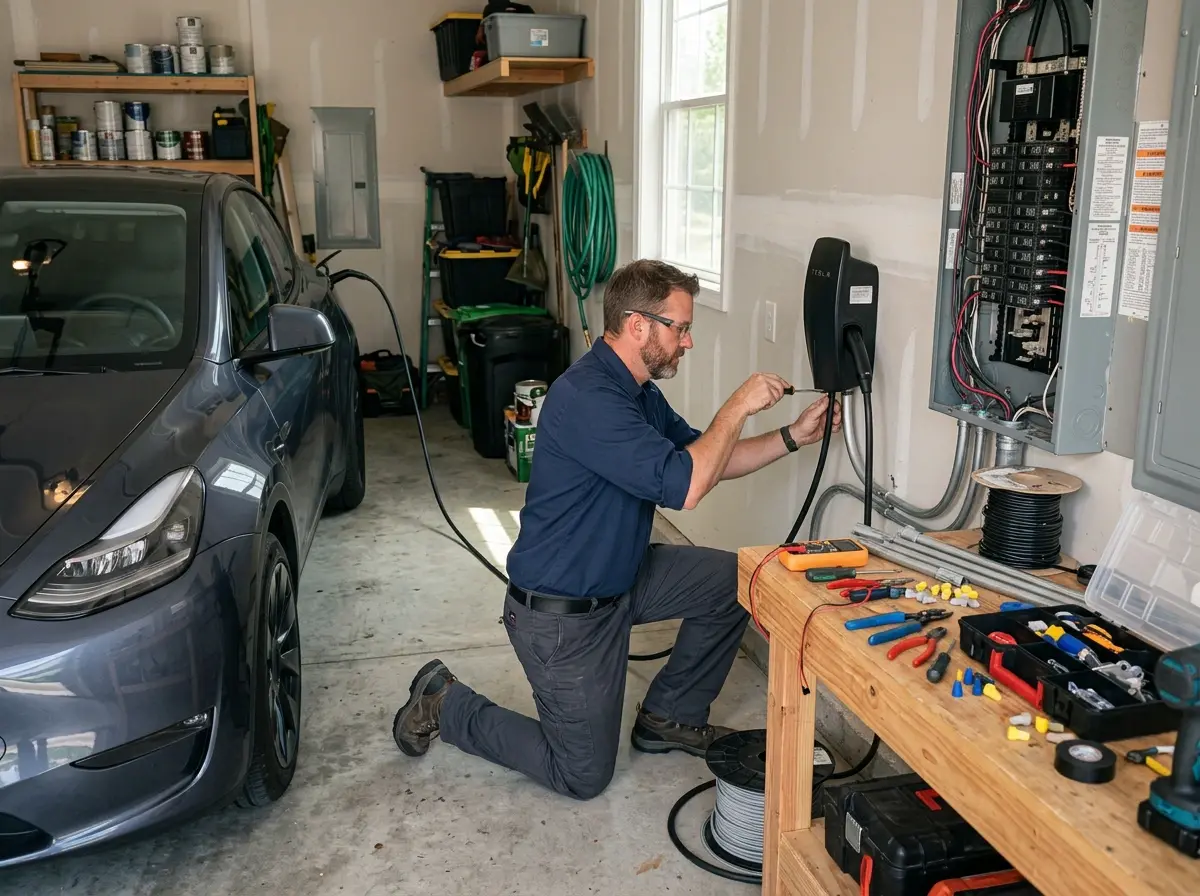
Once we establish that your home can support EV charging, we help you select the appropriate equipment for your specific vehicle and usage patterns. For Tesla owners, Tesla Wall Connector installation requires understanding the unit's communication protocols and configuration options for load sharing if you anticipate adding multiple chargers in the future. For other EV owners, we install Level 2 EV charger installation with NEMA 14-50 outlets or direct-wired units depending on your charger model and preference for portability versus permanent installation.
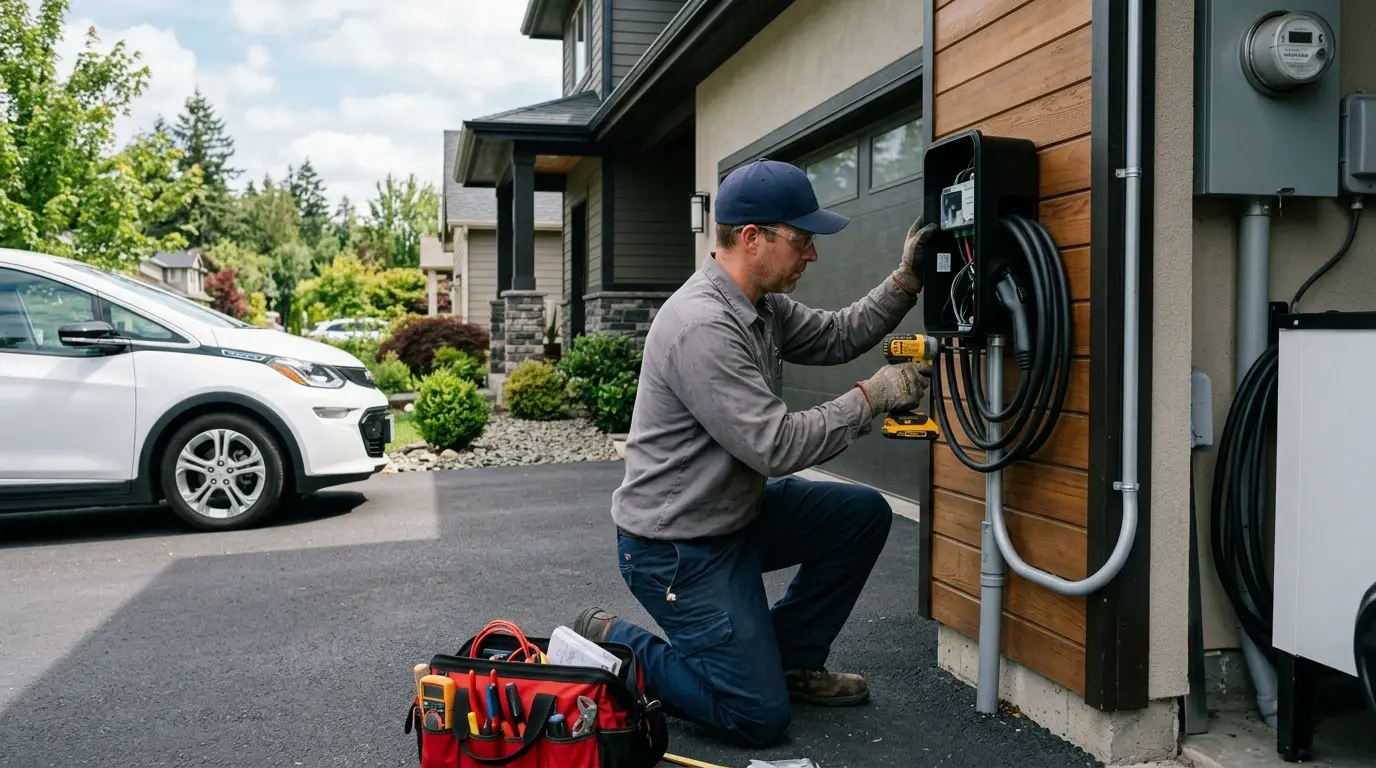
We handle every aspect of the installation process including permit coordination when required by local jurisdictions. Our work includes running appropriate gauge wiring from your panel to the charging location, installing code-compliant conduit, mounting the charger at comfortable height and accessible location, and configuring any network or scheduling features your unit supports. When the installation is complete, we test the charger with your vehicle to verify proper operation and walk you through how to monitor charging status and troubleshoot basic issues.
- Level 2 EV charger installation with 240-volt circuit and appropriate breaker sizing
- Tesla Wall Connector installation with configuration for optimal charging speeds
- NEMA 14-50 outlet installation for portable EV chargers and future flexibility
- Hardwired EV charging station installation for permanent, high-reliability setups
- Electrical panel evaluation to determine available capacity for new EV circuits
- Load management system installation for homes with limited panel capacity
- Permit coordination and post-installation inspection support
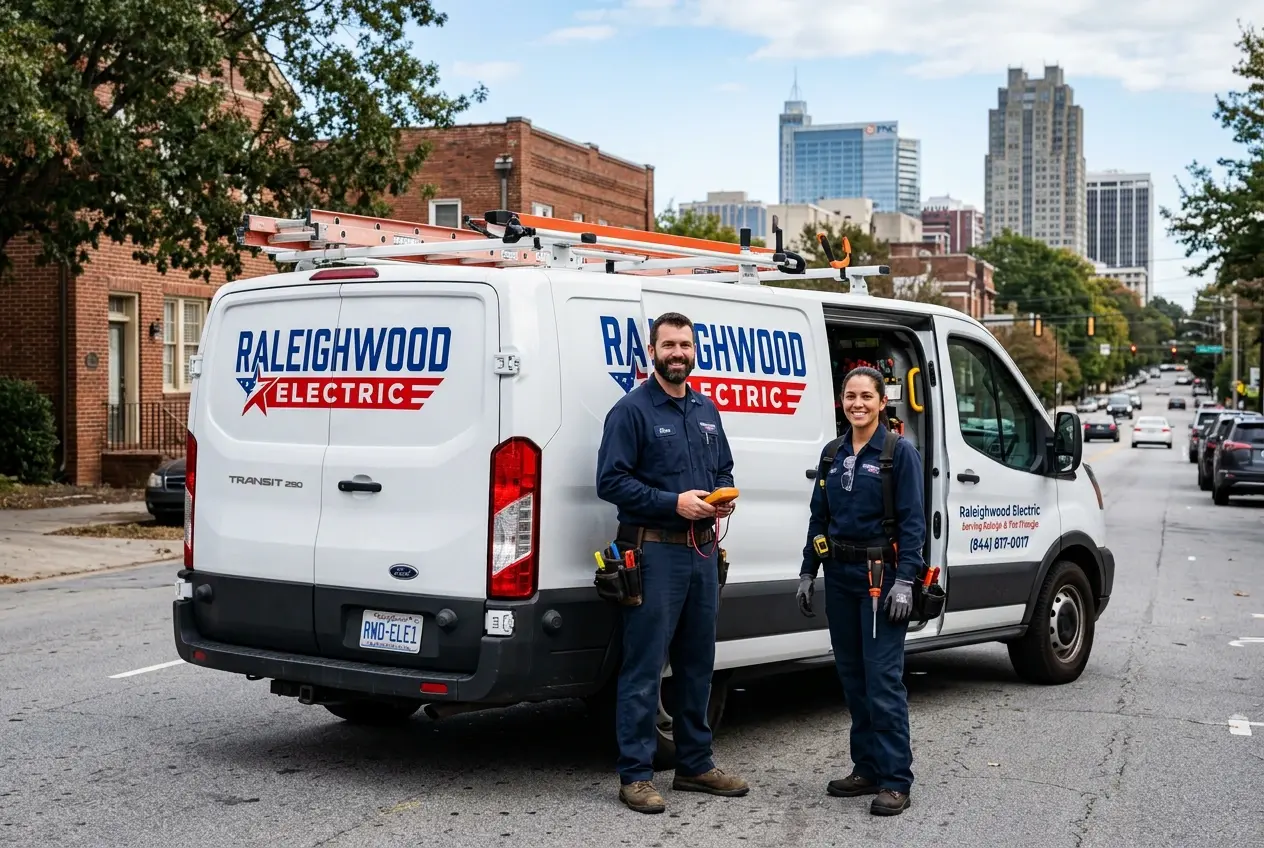
Common Installation Challenges and Timeline Expectations
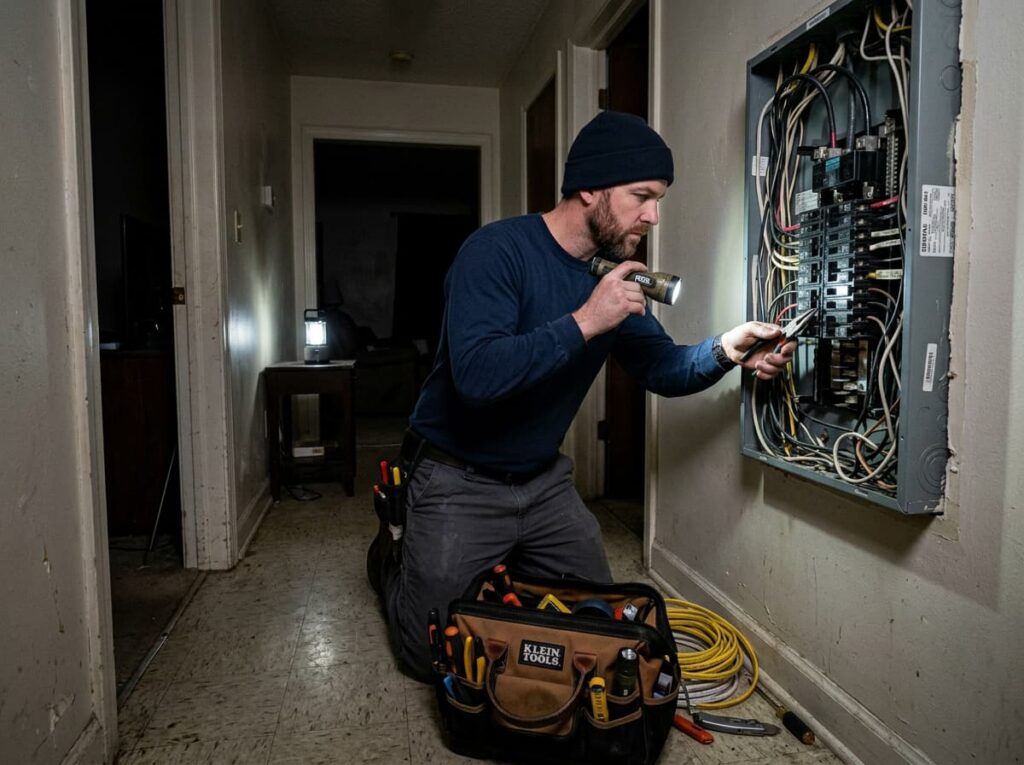
In our experience, the most frequent obstacle to EV charger installation is inadequate panel capacity. Many homes in Raleigh were built when 100-amp or 125-amp service was standard, and adding a 50-amp EV circuit to an already loaded panel exceeds safe capacity. When we encounter this situation, we calculate your actual electrical load to determine whether a load management device can safely share capacity with your dryer, range, or HVAC system, or whether a full panel upgrade to 200-amp service represents the better long-term investment.
Another common challenge involves charger placement relative to parking areas. We regularly work with homeowners who park in detached garages, carports, or outdoor driveways where running conduit requires trenching or navigating finished spaces. We assess these situations during our initial evaluation and provide realistic options that balance installation complexity with aesthetic considerations and code requirements for underground burial depths and conduit protection.
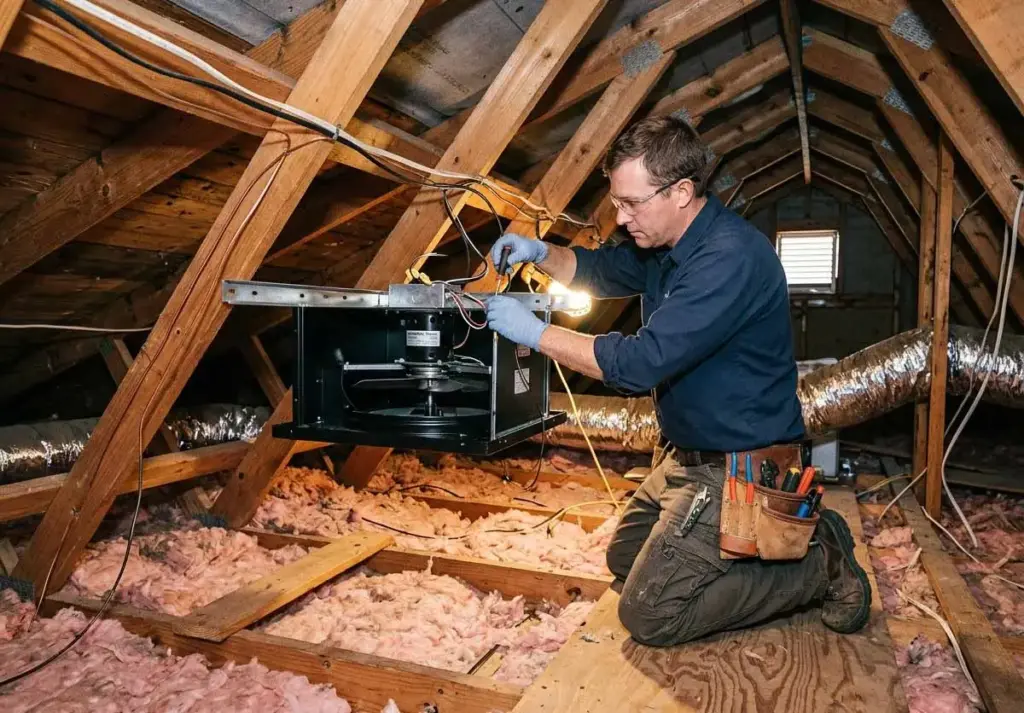
Installation timelines for EV chargers vary based on complexity. A straightforward Level 2 EV charger installation where the panel has available capacity and the charger mounts directly behind the panel typically completes within two to three hours. Installations requiring longer wire runs through attics, crawlspaces, or finished basements generally take four to six hours. Projects involving trenching to detached garages or panel upgrades require additional time—typically one to two days total to complete both the electrical service work and the charger installation. We provide detailed timeline estimates before starting any project so you can plan accordingly.
For homeowners making the transition to electric vehicles, professional EV charger installation represents an investment in convenience and property value. We approach every installation with attention to both current needs and future flexibility, ensuring your home charging setup serves you reliably for years regardless of what EV you drive today or tomorrow.