
Life Safety Systems: Proper Installation Matters
Smoke and carbon monoxide detectors represent the most critical electrical safety devices in your home—yet they remain effective only when installed correctly. A detector placed too close to a kitchen may trigger nuisance alarms that lead homeowners to disable the system entirely. A carbon monoxide detector mounted at the wrong height may fail to alert sleeping family members during the most dangerous hours. As electrical contractors serving High Point homeowners, we approach every detector installation with life-safety precision, understanding that our work directly impacts your family's protection during emergencies. We don't just mount devices—we engineer early warning systems designed to function exactly when needed.
Detector Solutions We Install
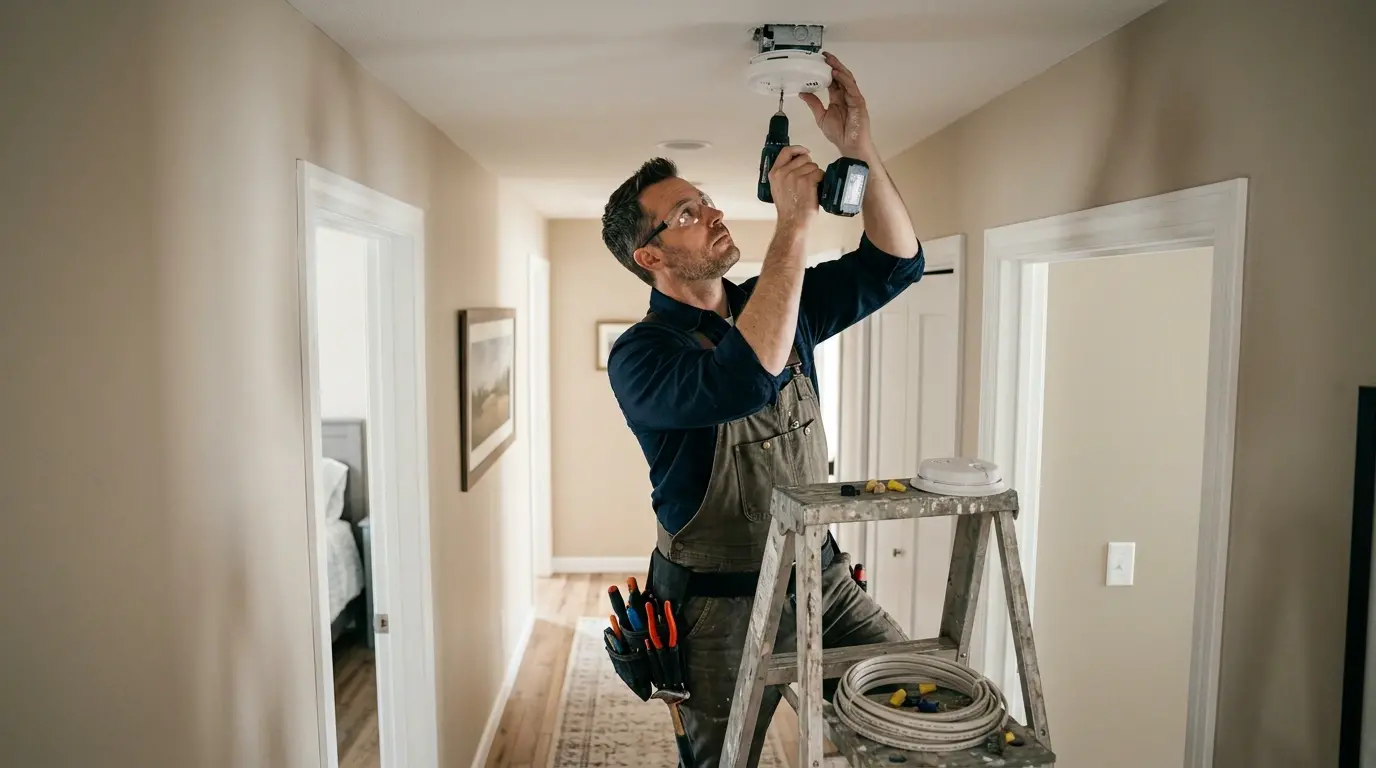
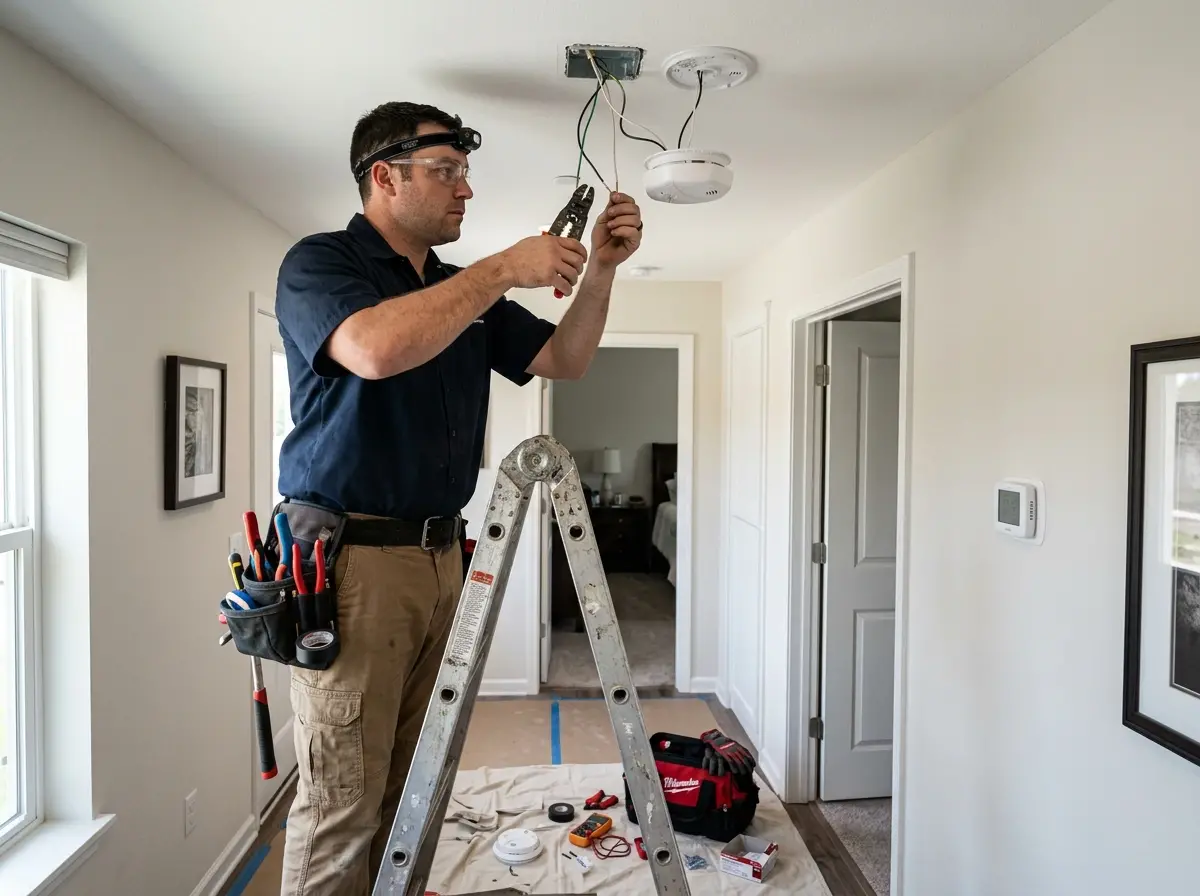
Every home requires specific detection strategies based on layout, fuel sources, and local code requirements. For new construction and major renovations, we perform hardwired smoke detector installation with battery backup—systems that remain operational during power outages while ensuring compliance with modern building codes. When homeowners prefer streamlined solutions, we provide combination smoke and CO detector installation using dual-sensor units that detect both threats while maintaining a clean aesthetic on ceilings and walls.
Whole-home protection demands more than individual devices. Our interconnected smoke detectors installation creates systems where every alarm communicates with others—when one activates, all sound throughout the property. This interconnected approach proves particularly valuable in multi-level homes where a fire in the basement may otherwise go unnoticed by sleeping family members on the second floor. We also provide battery-powered units for locations where hardwiring isn't feasible, ensuring complete coverage across all living spaces.
For homeowners concerned about specific risks, we install carbon monoxide detectors in accordance with manufacturer specifications and local requirements—typically on every level of the home, outside sleeping areas, and near attached garages or fuel-burning appliances. We explain the differences between electrochemical sensor technology (standard for CO detection) and various smoke sensor types, helping you understand which technologies best suit your home's characteristics.
Placement Considerations We Evaluate
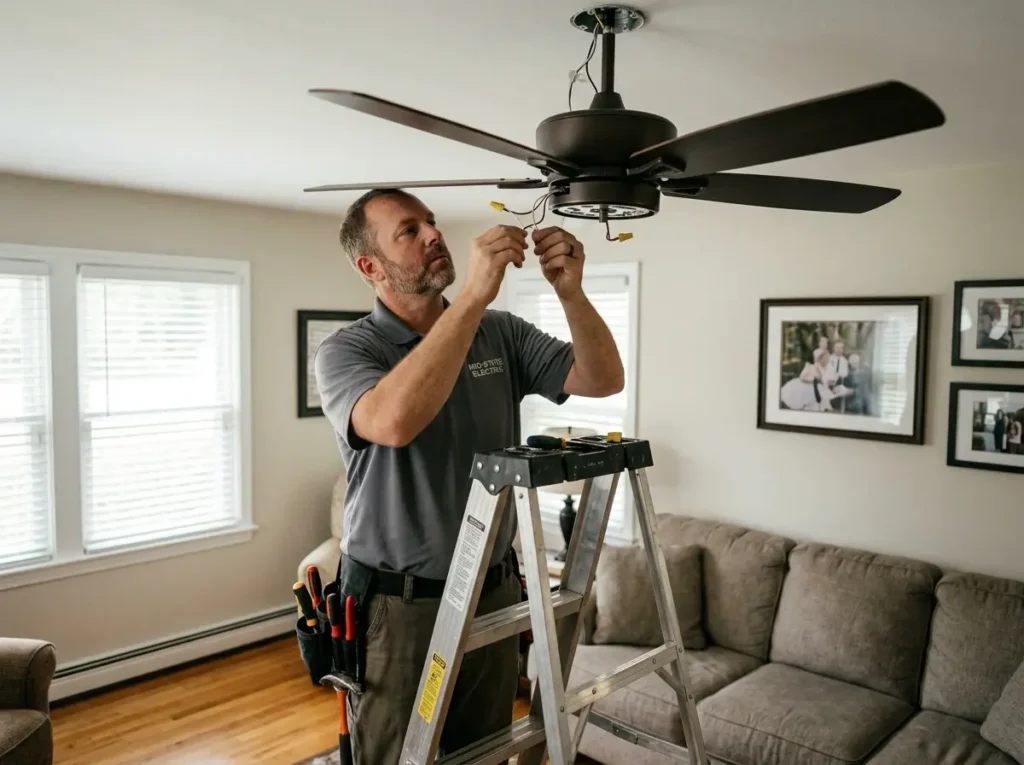
Proper detector placement requires understanding of both code requirements and real-world performance factors. We evaluate ceiling configurations, avoiding placement near ceiling fans that may dilute smoke concentration before detection. We maintain required distances from kitchens and bathrooms where cooking steam or shower humidity can trigger nuisance alarms. We verify that smoke detectors install at appropriate heights on walls when ceiling placement isn't possible, and we ensure carbon monoxide detectors mount at the correct elevation—manufacturer recommendations vary, and placement affects detection speed.
For interconnected systems, we verify that all units communicate properly regardless of distance or building construction. When wireless interconnection supplements hardwired systems, we test signal strength and reliability, positioning wireless units where communication remains consistent. We also coordinate with existing home security systems when integration is desired, ensuring that detector activation triggers monitoring alerts as intended.
Common Detector Issues We Resolve
Many service calls involve existing systems that no longer provide reliable protection. Frequent nuisance alarms often result from improper placement, dust accumulation, or detectors reaching end-of-life. Units that fail to test properly may have wiring issues, dead backup batteries, or internal sensor failures. Interconnected systems where only some alarms sound during testing typically have communication failures, damaged wiring, or mismatched detector models that cannot communicate effectively.
We also address outdated systems that no longer meet current safety standards. Detectors exceeding ten years of age require replacement regardless of apparent function—sensors degrade over time, reducing sensitivity. Homes with battery-only systems that lack hardwired interconnection may need upgrades to meet current safety recommendations or real estate transaction requirements. We provide clear assessments of existing systems and present options ranging from strategic replacement of aging units to complete system upgrades that bring your home to modern protection standards.
Service Timelines and Installation Process
Detector installation projects typically complete within predictable timeframes, with minimal disruption to your daily routine. A single hardwired smoke detector installation at an existing junction box takes approximately 30 to 45 minutes, including mounting, wiring verification, battery installation, and testing. Installing multiple combination smoke and CO detector installation units throughout a typical home generally requires 2 to 3 hours, with each additional device adding 20 to 30 minutes depending on accessibility.
Interconnected smoke detectors installation for a standard single-family home typically takes 3 to 5 hours for hardwired systems, including running interconnect wiring between units when not already present. Wireless interconnected systems generally complete within 2 to 3 hours for full-home installation, with additional time for programming and testing communication between units. When existing wiring requires updates or when accessing attic or crawl spaces for new wire runs, timelines extend accordingly—we provide accurate estimates before beginning any work.
For homeowners researching carbon monoxide detector installation cost, we provide transparent pricing that reflects both device selection and placement complexity. We explain why professional installation matters for hardwired units—incorrect wiring can create shock hazards or prevent proper interconnection. For battery-powered units, we verify placement meets manufacturer requirements and local codes, ensuring your investment provides the protection you expect.

Why Professional Installation Matters
Safety devices installed incorrectly create dangerous illusions of protection. A smoke detector wired to a switch-controlled circuit may lose power when someone turns off lights, rendering it non-functional. A carbon monoxide detector placed in a dead air pocket may delay detection until dangerous concentrations accumulate. Detectors mounted too close to supply registers may never sample room air accurately, while units placed in garages may false-alarm from vehicle exhaust.
Our installation process addresses every variable that affects detector performance. We verify that hardwired units connect to non-switched circuits, ensuring continuous operation regardless of light switch positions. We test backup batteries and document replacement schedules. We confirm that interconnected systems activate all units during testing, verifying communication across the entire home. We provide homeowner education—showing you how to test systems monthly, explaining what different alarm patterns indicate, and establishing clear replacement timelines for both detectors and backup batteries.
For homeowners in High Point seeking smoke detector installation near me services, we deliver more than device mounting. We provide the confidence that comes from knowing your family's early warning system meets professional standards. When you choose us for hardwired smoke detector installation or any life safety service, you receive systems installed with precision, tested thoroughly, and backed by electricians who understand that in an emergency, seconds matter—and proper installation gives you every available second to respond.